Labrador Retriever (Labrador, Lab)
The UK's most popular pedigree dog: a large, short-coated gundog that needs a lot of exercise and a weekly brush.
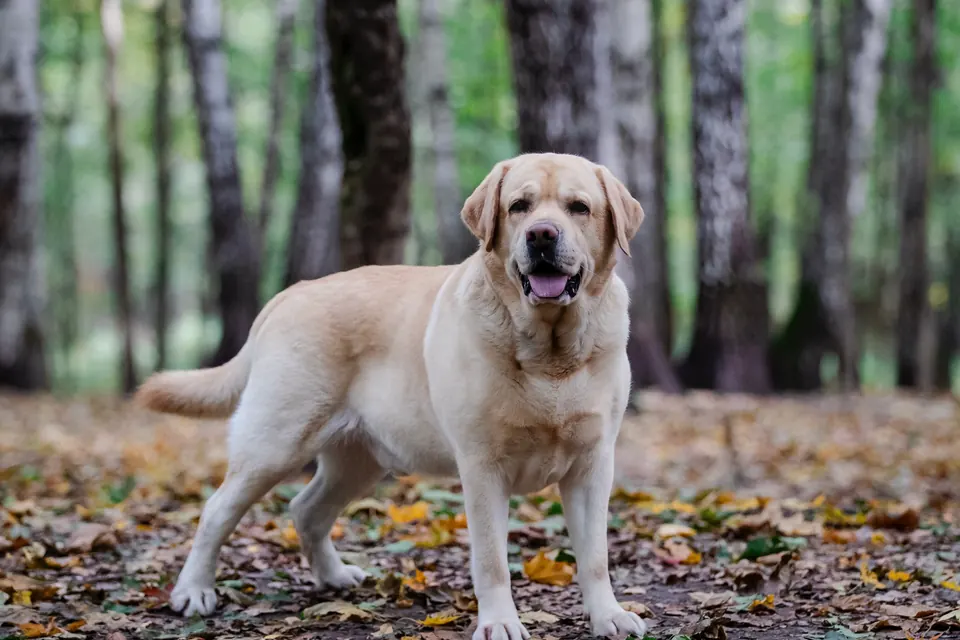
At a glance
- Kennel Club group
- Gundog
- Size
- Large
- Height
- 55 to 57cm (PDSA)
- Weight
- 25 to 35kg (PDSA)
- Lifespan
- Over 10 years
- Exercise
- More than 2 hours a day
- Grooming
- Once a week
- Coat
- Short
- Sheds
- Yes
- Home
- A large house and garden; town or country
Temperament
Labradors are affectionate, keen to please and quick to learn, which is why so many work as guide and assistance dogs as well as family pets.
They do best with reward-based training. Dogs from working lines have a strong urge to work and need training and jobs to do to stay content.
PDSA describes Labradors as great family pets, given the right socialisation.
Exercise
An adult Labrador needs more than two hours of exercise a day, plus things to think about: retrieving, swimming and training games all help.
Puppies take 18 months to two years to grow to full size, so keep walks short and avoid high-impact play until then, to protect their joints.
Labradors are one of the breeds most likely to put on weight, so exercise and a measured diet matter.
Grooming
The short coat needs a brush about once a week. Labradors do shed.
Find a checked dog groomer near you · Your puppy’s first groom
Health
Problems Labradors can be prone to:
- Hip dysplasia
- Elbow dysplasia
- Obesity
- Progressive retinal atrophy (an inherited eye condition)
The Royal Kennel Club asks breeders to do these tests on the parents, as a minimum:
- Hip and elbow scoring (BVA/Kennel Club schemes)
- Eye testing (BVA/Kennel Club/ISDS eye scheme)
- DNA tests for centronuclear myopathy, exercise-induced collapse, macular corneal dystrophy, progressive retinal atrophy (prcd-PRA), skeletal dysplasia (SD2) and Stargardt disease
This isn’t veterinary advice: if you’re worried about your dog, talk to your vet.
Choosing a Labrador Retriever puppy
- Ask to see both parents' hip and elbow scores, eye certificates and DNA test results: the Kennel Club asks breeders to do these as a minimum.
In England, a puppy under six months can only be sold by the person who bred it (Lucy’s Law): buy from the breeder directly, or adopt. Breeders’ licences explained
Questions owners ask
How long do Labradors live?
Over 10 years. Every dog is different: a healthy weight and regular vet checks help.
How much exercise does a Labrador Retriever need?
More than 2 hours a day. An adult Labrador needs more than two hours of exercise a day, plus things to think about: retrieving, swimming and training games all help.
How often should a Labrador Retriever be groomed?
Once a week. The short coat needs a brush about once a week. Labradors do shed.
Do Labradors shed?
Yes.
How big do Labradors get?
Height: 55 to 57cm (PDSA). Weight: 25 to 35kg (PDSA).
Are Labradors good family dogs?
PDSA describes Labradors as great family pets, given the right socialisation.
Where this comes from
Checked against these on 6 November 2026. Every dog is an individual: these are typical figures for the breed.