Cocker Spaniel
A lively, sociable spaniel, originally a gundog, that's popular with first-time owners but needs daily brushing and plenty of exercise.
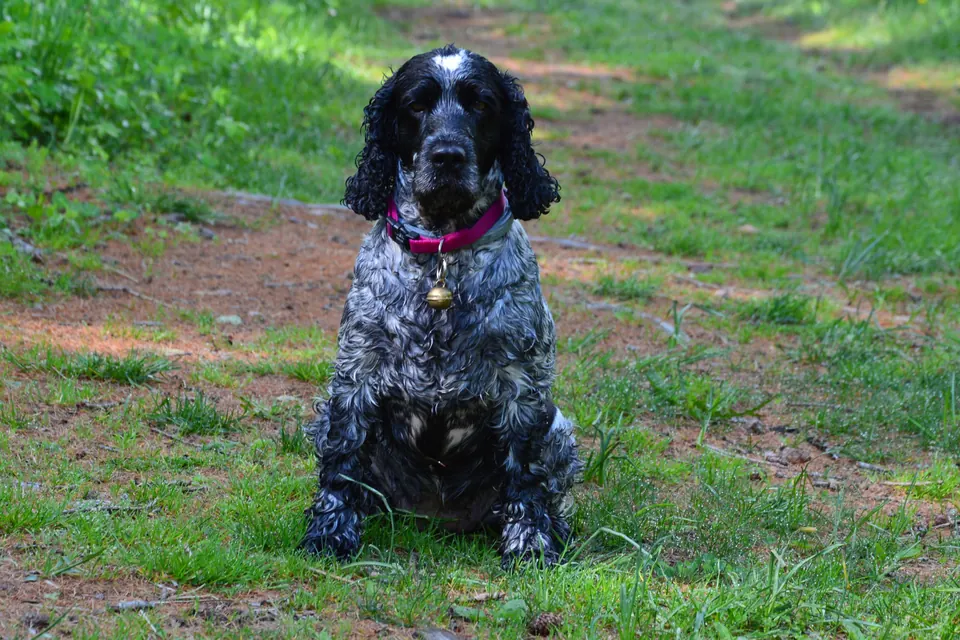
At a glance
- Kennel Club group
- Gundog
- Size
- Small (Kennel Club); Medium (PDSA)
- Height
- 38 to 41cm (PDSA)
- Weight
- 13 to 14.5kg (PDSA)
- Lifespan
- Over 10 years
- Exercise
- Up to 1 hour a day (Kennel Club); at least 1 hour (PDSA)
- Grooming
- Every day
- Coat
- Medium
- Sheds
- Yes
- Home
- A small house with a small or medium garden; town or country
Temperament
PDSA describes Cockers as lively, people-oriented dogs who love to play, happy and friendly when well socialised. They're clever and keen to learn, but pick up bad habits just as quickly, so training must stay consistent.
They like company all the time and can bark or chew when bored. They're known for separation anxiety: PDSA says never leave them for more than four hours.
PDSA says Cockers tend to get along well with children because they're patient, with supervision as they can be excitable, and calls them a popular choice for first-time owners.
Exercise
At least an hour a day, spread across several walks, with off-lead running somewhere secure, and plenty of play and training. PDSA says they often do well at agility.
Grooming
A daily brush to stop tangles. Show-type Cockers need professional clipping about every three months; working types need less coat care (PDSA).
Find a checked dog groomer near you · Your puppy’s first groom
Health
Problems Cocker Spaniels can be prone to:
- Hip dysplasia
- Atopy (itchy skin and ear infections)
- Ear problems
- Eye problems, including inherited conditions
- Some auto-immune conditions
- Inherited conditions: familial nephropathy, adult-onset neuropathy and acral mutilation syndrome
The Royal Kennel Club asks breeders to do these tests on the parents, as a minimum:
- DNA test for acral mutilation syndrome (AMS)
- DNA test for progressive retinal atrophy (prcd-PRA)
This isn’t veterinary advice: if you’re worried about your dog, talk to your vet.
Choosing a Cocker Spaniel puppy
- Make sure the parents have had the relevant health screening, including hip scoring.
- PDSA recommends a Kennel Club Assured Breeder.
- Ask the breeder how they socialise their puppies.
In England, a puppy under six months can only be sold by the person who bred it (Lucy’s Law): buy from the breeder directly, or adopt. Breeders’ licences explained
Questions owners ask
How long do Cocker Spaniels live?
Over 10 years. Every dog is different: a healthy weight and regular vet checks help.
How much exercise does a Cocker Spaniel need?
Up to 1 hour a day (Kennel Club); at least 1 hour (PDSA). At least an hour a day, spread across several walks, with off-lead running somewhere secure, and plenty of play and training. PDSA says they often do well at agility.
How often should a Cocker Spaniel be groomed?
Every day. A daily brush to stop tangles. Show-type Cockers need professional clipping about every three months; working types need less coat care (PDSA).
Do Cocker Spaniels shed?
Yes.
How big do Cocker Spaniels get?
Height: 38 to 41cm (PDSA). Weight: 13 to 14.5kg (PDSA).
Are Cocker Spaniels good family dogs?
PDSA says Cockers tend to get along well with children because they're patient, with supervision as they can be excitable, and calls them a popular choice for first-time owners.
Where this comes from
Checked against these on 6 November 2026. Every dog is an individual: these are typical figures for the breed.