German Shepherd (GSD, Alsatian)
The German Shepherd Dog (GSD, or Alsatian): a large, loyal, intelligent herding breed that needs a great deal of exercise and an experienced owner.
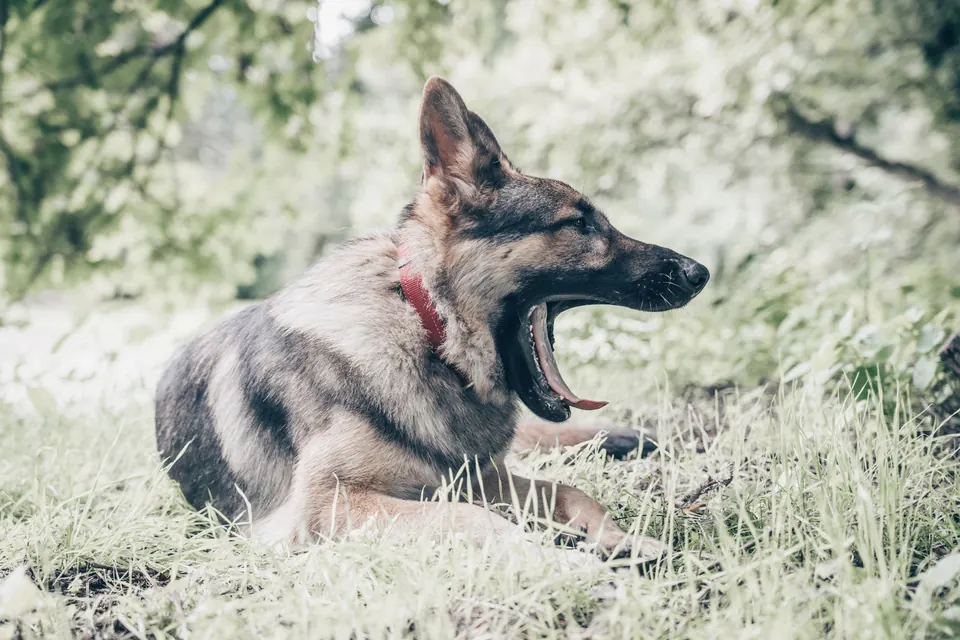
At a glance
- Size
- Large
- Height
- 58 to 63cm (PDSA)
- Weight
- 35 to 43kg (PDSA)
- Lifespan
- Over 10 years
- Exercise
- At least 2 hours a day
- Grooming
- A brush or comb a few times a week
- Coat
- Medium
- Sheds
- Yes, a lot
Temperament
PDSA calls German Shepherds very loyal and intelligent, and says they can be easy to train with consistency. They're protective, with a strong guarding instinct, so training and socialisation need care, and they can be nervous of strangers.
They need company and exercise. PDSA says they have a reputation for being highly strung, and should never be left alone for more than four hours.
PDSA says some German Shepherds make great family pets with children of all ages, always supervised around young children, but their size and strength mean they don't suit every family.
Exercise
At least two hours a day, spread across the day: walks and off-lead exercise somewhere safe, plus play and training (PDSA).
Grooming
Brush or comb a few times a week to prevent matting and clear dead hair; expect a lot of shedding. Only bath them on a vet's advice, as their skin can be sensitive (PDSA).
Find a checked dog groomer near you · Your puppy’s first groom
Health
Problems German Shepherds can be prone to:
- Hip dysplasia
- Elbow dysplasia
- Degenerative myelopathy (weakness in the back legs)
- Anal furunculosis
- Inherited eye diseases including cataracts and retinal dysplasia
- Epilepsy
- Pituitary dwarfism
- Haemophilia A and B
This isn’t veterinary advice: if you’re worried about your dog, talk to your vet.
Choosing a German Shepherd puppy
- Make sure the parents have had the relevant screening, including hip X-rays under the BVA/Kennel Club hip scheme.
- PDSA recommends a Kennel Club Assured Breeder and warns unusually cheap puppies may come from puppy farms.
- Ask how the breeder socialises puppies with people, other animals and new places.
In England, a puppy under six months can only be sold by the person who bred it (Lucy’s Law): buy from the breeder directly, or adopt. Breeders’ licences explained
Questions owners ask
How long do German Shepherds live?
Over 10 years. Every dog is different: a healthy weight and regular vet checks help.
How much exercise does a German Shepherd need?
At least 2 hours a day. At least two hours a day, spread across the day: walks and off-lead exercise somewhere safe, plus play and training (PDSA).
How often should a German Shepherd be groomed?
A brush or comb a few times a week. Brush or comb a few times a week to prevent matting and clear dead hair; expect a lot of shedding. Only bath them on a vet's advice, as their skin can be sensitive (PDSA).
Do German Shepherds shed?
Yes, a lot.
How big do German Shepherds get?
Height: 58 to 63cm (PDSA). Weight: 35 to 43kg (PDSA).
Are German Shepherds good family dogs?
PDSA says some German Shepherds make great family pets with children of all ages, always supervised around young children, but their size and strength mean they don't suit every family.
Where this comes from
Checked against these on 6 November 2026. Every dog is an individual: these are typical figures for the breed.