Can dogs eat cheese?
Only a little, and not blue cheese. Dogs Trust lists cheese among foods dogs can usually eat in moderation, but PDSA warns it's high in fat, and blue cheese can make dogs ill.
Only with care
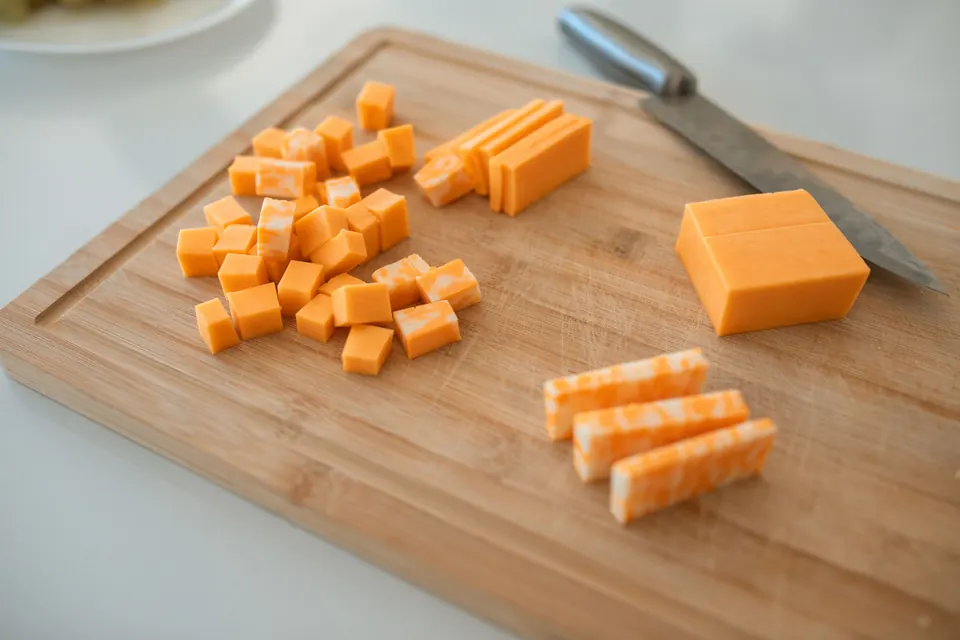
How to give your dog cheese
- If you give cheese, keep it to a very small amount, now and then (Dogs Trust: in moderation).
- Speak to your vet before giving your dog a food it hasn’t had before (Dogs Trust).
What to watch for
- Never give blue cheese: it’s made using a fungus dogs can be sensitive to, and it can cause vomiting, diarrhoea, a high temperature and even seizures (PDSA).
- Cheese is high in fat: PDSA lists high-fat foods such as cheese among the things that can bring on pancreatitis, and says to avoid high-fat treats like cheese for dogs that have had it.
- Cheese sauces are too high in calories and fat, and can really upset a dog’s stomach (PDSA).
- Dogs Trust says even usually safe foods can harm an individual dog, through intolerance, fat content or portion size.
How much is too much?
- Dogs don't need fruit or vegetables in their diet, but can have a small amount as an occasional treat (PDSA).
- Most fruit is high in sugar, so only ever give very small amounts, now and then (PDSA).
- When you give treats, cut back their meals to match, so they don’t put on weight (PDSA).
- Speak to your vet before giving your dog a food it hasn't had before (Dogs Trust).
Foods never to give your dog
- Grapes, raisins, currants and sultanas: any amount is potentially dangerous, and they can cause kidney failure
- Onions, garlic, leeks and chives: they can cause severe, life-threatening anaemia
- Xylitol, a sweetener found in sugar-free gum and some peanut butter: it can cause a dangerous drop in blood sugar and liver failure
- Chocolate, macadamia nuts, alcohol, caffeine (tea and coffee) and mouldy food
- Avocado, corn on the cob (it can block the gut) and bones
If your dog has eaten any of these, call your vet straight away (Dogs Trust). Have the packaging to hand if you can.
Questions owners ask
Is cheese bad for dogs?
Not usually in small amounts: Dogs Trust lists it among foods dogs can usually eat in moderation. But it's high in fat, which PDSA links to pancreatitis, and blue cheese can make dogs ill.
Can dogs eat blue cheese?
No: PDSA says it's made using a fungus dogs can be sensitive to, and it can cause vomiting, diarrhoea, a high temperature and even seizures.
Can dogs with pancreatitis eat cheese?
PDSA says dogs with pancreatitis should only have low-fat treats, and to avoid high-fat treats like cheese. Pieces of chicken breast or small bits of carrot are better.
Where this comes from
- Dogs Trust: What foods are toxic to dogs
- PDSA: Pancreatitis in dogs
- PDSA: Poisons and hazards for your pets
- PDSA vet Q&A: Can we feed the dog Christmas dinner?
Checked against these on 6 November 2026. This isn’t veterinary advice: if your dog has a health condition or you’re unsure, ask your vet.