Boxer
A large, lively, loyal family dog from Germany that needs at least two hours of exercise a day.
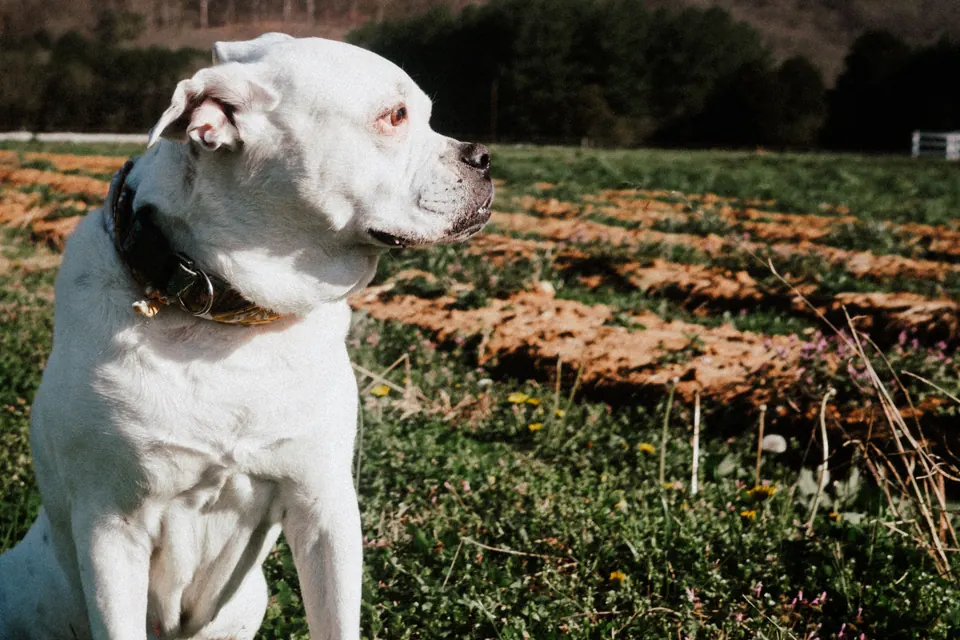
At a glance
- Kennel Club group
- Working
- Size
- Large
- Height
- 53 to 63cm (PDSA)
- Weight
- 25 to 27kg (females), 30 to 32kg (males) (PDSA)
- Lifespan
- Over 10 years
- Exercise
- More than 2 hours a day
- Grooming
- Once a week
- Coat
- Short
- Sheds
- Yes, all year, more in spring and autumn
- Home
- A large house and garden; town or country
Temperament
The Kennel Club describes Boxers as lively, strong and family-orientated, much loved for their intelligence and character. PDSA calls them eager to please, very loyal and fun.
They have a natural guarding instinct and can be protective and boisterous. They love company and can develop separation anxiety, so PDSA says it's best to have someone at home with them all day.
PDSA says Boxers are generally good with children of all ages given the right training, but wouldn't recommend one with younger children, as they could knock them over. It also wouldn't recommend a Boxer for a first-time owner.
Exercise
At least two hours a day, split into several walks with off-lead time somewhere secure, plus short, regular training sessions (PDSA).
Grooming
A weekly brush suits the short coat. Keep the skin folds on the face clean and dry to avoid skin fold dermatitis (PDSA).
Find a checked dog groomer near you · Your puppy’s first groom
Health
Problems Boxers can be prone to:
- Brachycephalic obstructive airway syndrome (BOAS)
- Hip dysplasia
- Epilepsy
- Eye problems such as corneal ulcers
- Heart problems such as cardiomyopathy and aortic stenosis
- Skin problems, including skin fold dermatitis
- Certain cancers
Tests The Royal Kennel Club recommends breeders do on the parents:
- Elbow scoring (BVA/Kennel Club scheme)
- Eye testing (BVA/Kennel Club/ISDS eye scheme)
- Hip scoring (BVA/Kennel Club scheme)
This isn’t veterinary advice: if you’re worried about your dog, talk to your vet.
Choosing a Boxer puppy
- Make sure the parents have had the relevant health screening, and look for a Kennel Club Assured Breeder.
- Ask the breeder how they socialise their puppies.
In England, a puppy under six months can only be sold by the person who bred it (Lucy’s Law): buy from the breeder directly, or adopt. Breeders’ licences explained
Questions owners ask
How long do Boxers live?
Over 10 years. Every dog is different: a healthy weight and regular vet checks help.
How much exercise does a Boxer need?
More than 2 hours a day. At least two hours a day, split into several walks with off-lead time somewhere secure, plus short, regular training sessions (PDSA).
How often should a Boxer be groomed?
Once a week. A weekly brush suits the short coat. Keep the skin folds on the face clean and dry to avoid skin fold dermatitis (PDSA).
Do Boxers shed?
Yes, all year, more in spring and autumn.
How big do Boxers get?
Height: 53 to 63cm (PDSA). Weight: 25 to 27kg (females), 30 to 32kg (males) (PDSA).
Are Boxers good family dogs?
PDSA says Boxers are generally good with children of all ages given the right training, but wouldn't recommend one with younger children, as they could knock them over. It also wouldn't recommend a Boxer for a first-time owner.
Where this comes from
Checked against these on 6 November 2026. Every dog is an individual: these are typical figures for the breed.