Akita
A large, strong and loyal Japanese breed that needs a lot of exercise and is best suited to an experienced owner.
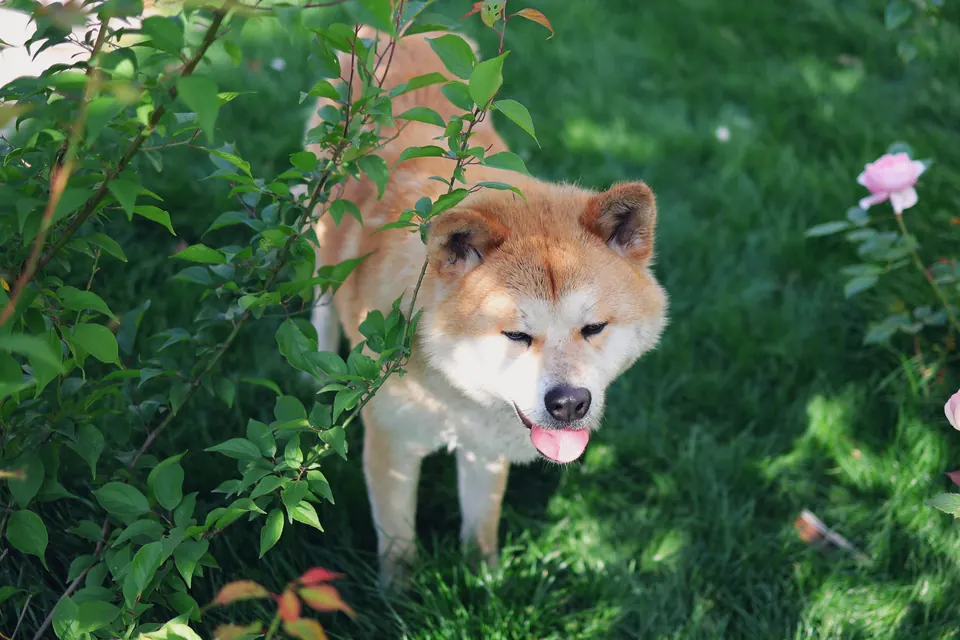
At a glance
- Kennel Club group
- Utility
- Size
- Large
- Height
- 61 to 71cm (PDSA)
- Weight
- 31 to 59kg (PDSA)
- Lifespan
- Over 10 years (Kennel Club); under 10 years (PDSA)
- Exercise
- More than 2 hours a day
- Grooming
- Once a week
- Coat
- Short and dense
- Sheds
- Yes, a lot (PDSA)
- Home
- A large house and garden; town or country
Temperament
PDSA describes Akitas as loyal, family-focused dogs, originally bred as guard dogs and hunters, so they keep a strong prey drive. They can be wary of strangers and other dogs and need socialising from a young age.
They are clever and quick to pick up bad habits as well as good ones, and can be independent, so they need consistent, positive training and clear boundaries. PDSA says they get bored easily and don't cope well when left alone.
PDSA says Akitas can fit in well with families, but wouldn't recommend one if you have young children, and says they do best with experienced owners.
Exercise
PDSA says Akitas need at least two hours of exercise a day, walking and running, and should be kept on a lead on walks because of their prey drive.
Grooming
The fur is short but dense, so Akitas shed a lot and need at least a weekly brush, more in warm months. PDSA suggests a professional groom about every three months.
Find a checked dog groomer near you · Your puppy’s first groom
Health
Problems Akitas can be prone to:
- Hip dysplasia
- Gastric dilatation volvulus (bloat), an emergency
- Skin problems
- Eye problems including cataracts, retinal dysplasia, progressive retinal atrophy, glaucoma, entropion and ectropion
- VKH-type syndrome
- Autoimmune conditions including sebaceous adenitis and hypothyroidism
Tests The Royal Kennel Club recommends breeders do on the parents:
- Eye testing (BVA/Kennel Club/ISDS eye scheme)
- Hip scoring (BVA/Kennel Club scheme)
This isn’t veterinary advice: if you’re worried about your dog, talk to your vet.
Choosing a Akita puppy
- PDSA recommends a Kennel Club Assured Breeder, as they meet extra requirements including health screening.
- Ask about the medical history of the puppy's parents and grandparents.
- Beware unusually cheap puppies: they could come from a puppy farm.
In England, a puppy under six months can only be sold by the person who bred it (Lucy’s Law): buy from the breeder directly, or adopt. Breeders’ licences explained
Questions owners ask
How long do Akitas live?
Over 10 years (Kennel Club); under 10 years (PDSA). Every dog is different: a healthy weight and regular vet checks help.
How much exercise does a Akita need?
More than 2 hours a day. PDSA says Akitas need at least two hours of exercise a day, walking and running, and should be kept on a lead on walks because of their prey drive.
How often should a Akita be groomed?
Once a week. The fur is short but dense, so Akitas shed a lot and need at least a weekly brush, more in warm months. PDSA suggests a professional groom about every three months.
Do Akitas shed?
Yes, a lot (PDSA).
How big do Akitas get?
Height: 61 to 71cm (PDSA). Weight: 31 to 59kg (PDSA).
Are Akitas good family dogs?
PDSA says Akitas can fit in well with families, but wouldn't recommend one if you have young children, and says they do best with experienced owners.
Where this comes from
Checked against these on 6 November 2026. Every dog is an individual: these are typical figures for the breed.