Border Collie
An intelligent, very high-energy herding dog that needs at least two hours of exercise a day and an active, attentive home.
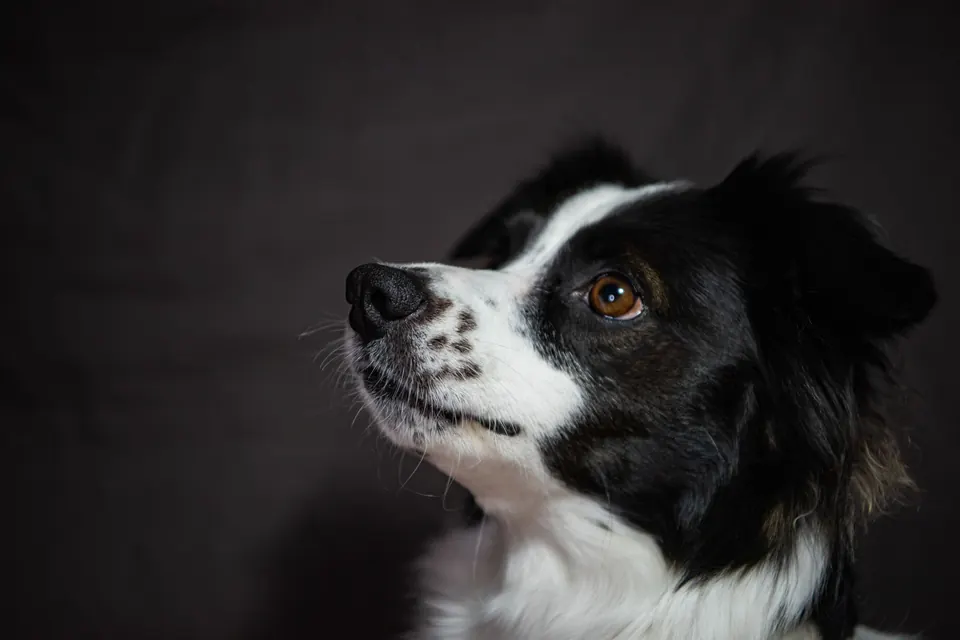
At a glance
- Kennel Club group
- Pastoral
- Size
- Medium
- Height
- 53cm on average (PDSA)
- Weight
- 25 to 30kg (PDSA)
- Lifespan
- Over 12 years (Kennel Club, PDSA); 10 to 14 years (Battersea)
- Exercise
- More than 2 hours a day
- Grooming
- More than once a week
- Coat
- Medium
- Sheds
- Yes, more in spring and autumn
- Home
- A small house and large garden; town or country
Temperament
Border Collies are highly intelligent, with a strong work ethic and lots of energy. PDSA notes their speed and herding instinct.
They need company, training and plenty for their minds to do. Battersea warns that without it they can get frustrated and start chasing or herding.
Battersea says Border Collies can be a great fit for families with older children, but harder work with young ones. PDSA wouldn't recommend one with smaller children and says an adult-only home or one with teenagers is best.
Exercise
About two hours a day or more, spread over several walks, with off-lead running somewhere secure. PDSA suggests puzzle feeders, agility or flyball too.
Grooming
Brushing a couple of times a week keeps on top of dead hair, with the occasional bath in a dog-safe shampoo (PDSA).
Find a checked dog groomer near you · Your puppy’s first groom
Health
Problems Border Collies can be prone to:
- Hip dysplasia
- Epilepsy
- Collie eye anomaly
- Imerslund-Gräsbeck syndrome (IGS)
- Sensitivity to some medicines (MDR1)
- Ceroid lipofuscinosis (CL)
- Sensory neuropathy (SN)
- Goniodysgenesis (a risk of glaucoma)
- Trapped neutrophil syndrome (TNS)
The Royal Kennel Club asks breeders to do these tests on the parents, as a minimum:
- Eye testing, with gonioscopy (BVA/Kennel Club/ISDS eye scheme)
This isn’t veterinary advice: if you’re worried about your dog, talk to your vet.
Choosing a Border Collie puppy
- Battersea says to ask the breeder about health testing on both parents.
- Ask whether the parents are working or show dogs, and whether the puppy was raised on a farm or in a home: Battersea says home-raised puppies are often better prepared for family life.
- PDSA recommends a Kennel Club Assured Breeder.
In England, a puppy under six months can only be sold by the person who bred it (Lucy’s Law): buy from the breeder directly, or adopt. Breeders’ licences explained
Questions owners ask
How long do Border Collies live?
Over 12 years (Kennel Club, PDSA); 10 to 14 years (Battersea). Every dog is different: a healthy weight and regular vet checks help.
How much exercise does a Border Collie need?
More than 2 hours a day. About two hours a day or more, spread over several walks, with off-lead running somewhere secure. PDSA suggests puzzle feeders, agility or flyball too.
How often should a Border Collie be groomed?
More than once a week. Brushing a couple of times a week keeps on top of dead hair, with the occasional bath in a dog-safe shampoo (PDSA).
Do Border Collies shed?
Yes, more in spring and autumn.
How big do Border Collies get?
Height: 53cm on average (PDSA). Weight: 25 to 30kg (PDSA).
Are Border Collies good family dogs?
Battersea says Border Collies can be a great fit for families with older children, but harder work with young ones. PDSA wouldn't recommend one with smaller children and says an adult-only home or one with teenagers is best.
Where this comes from
Checked against these on 6 November 2026. Every dog is an individual: these are typical figures for the breed.